Healthiest Oil for Cooking
There are a wide variety of cooking oils to choose from, and picking the healthiest oil for cooking and dressings may seem a bit overwhelming at first.
First of all, look around your cabinets and throw out any oils that use the following words –
• hydrogenated
• partially hydrogenated
• shortening
• interesterified
These are all just fancy words for “trans fat,” which is not good for your body.
But there are healthy oils that we use in cooking.
Some oils are more suitable for certain kinds of cooking than others, and some have unique health benefits that make them an excellent addition to your pantry. So here are some of the healthiest cooking oils available, along with a few suggestions on how to use them:
Extra-Virgin Olive Oil:
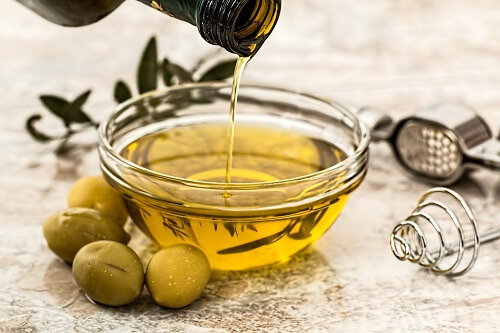
Also known as EVOO, this oil has gained a tremendous amount of popularity in recent years, and for good reason. Olive oil is rich in antioxidants, which oxidative damage to the body caused by free radicals. Olive oil also has anti-inflammatory properties, and studies have linked it to significantly decreased risks of cardiovascular disease, high blood pressure, and several types of cancer.
Keep in mind that olive oil has a moderately low smoke point, so while it is suitable for the majority of cooking, it may be best to use a different oil for frying or high-heat searing.
- Add olive oil and balsamic vinegar to a plate and use as a dipping oil for your favorite bread.
- Mix olive oil with lemon and drizzle over steamed vegetables.
- Mix 1/4 cup of olive oil with 3 tablespoons of balsamic vinegar. Add in 1 tablespoon of Dijon mustard and a little garlic. Use this over salads or vegetables.
Are there ways to tell if your olive oil is real? Fake olive oil has become a huge market place, so buyer beware on this one. Always buy extra-virgin olive oil that is in a colored bottle to shield the oil from the sun light.

Get to know an olive oil vendor at your local farmers market. The larger markets typically will have a local grower that can answer your questions about the olive oil they sell.
Avocado Oil:
Avocado oil is very high in vitamin E and other compounds which allow the body to better absorb many other nutrients. Its relatively high smoke point makes it suitable for most types of cooking, but it should ideally be used in moderation due to the fact that avocado oil contains higher levels of polyunsaturated fats, which in excess may cause inflammation.
- Use in salad dressings. Mix 2 tablespoons of avocado oil with 2 tablespoons lemon juice. Mix in small amount of organic cider vinegar and freshly grated ginger.
Coconut Oil:
We love cooking with coconut oil. Coconut oil is very high in healthy saturated fat, which makes it a perfect choice for high-heat cooking or frying. The fatty acids in this oil can help lower cholesterol levels, improve metabolism, and protect the heart. Coconut oil may have a faint but distinctive flavor which some find distracting in certain dishes, so keep that in mind when choosing what to cook with it. On the other hand, the flavor of coconut oil can be a perfect complement for baked goods or certain regional cuisines.
- Coconut oil can be added to your morning smoothie and can also be used as your morning facial moisturizer!
- Can be used at higher cooking temperatures so use as a replacement were canola oil is advised for frying.
Sesame Oil:
A longtime staple of Asian cuisine, sesame oil is packed with antioxidants that fight off cellular damage. This oil also has mild antibacterial properties. Regular sesame oil is a perfect choice for stir-frying, while toasted sesame oil makes a delicious and healthy dressing for salads.
- Another good oil to mix with lemon and pour over steamed asparagus or broccoli.
Walnut Oil:
One of the newer oils to hit the culinary scene, walnut oil boasts a rich flavor and plenty of omega-3 fatty acids, which the human body cannot produce on its own. Walnut oil helps to lower LDL cholesterol and triglyceride levels, while the alpha-linoleic acid it contains helps to protect the heart. However, walnut oil is a fairly delicate oil that can lose many of its nutritional properties when cooked at high temperatures. Because of this, walnut oil is best suited for baking, or when used as a garnish or dressing.
- Use walnut oil uncooked for adding flavor to salads. Walnut oil also tastes great in pasta recipes that use added walnuts.
- Add walnut oil to your hummus and pesto recipes
- Walnut oil can be a little pricey but the health benefits are numerous.
Peanut Oil:
Another common cooking oil found in Asian cuisine, peanut oil is a perfect choice for frying and roasting. Peanut oil contains plant fats known as phytosterols, which have been shown to lower levels of LDL cholesterol in the body and contribute to decreased risk of certain cancers.
Peanut oil is considered a vegetable oil that is made from peanuts. Peanut oil has a relatively high smoke point so it is considered a healthy oil to fry foods with. Store your opened bottle of peanut oil in the refrigerator and it will last about 3 years.
This is the most common oil used around the holidays to deep fry turkeys!
- Great to use in making your favorite stir-fry recipe
Sunflower Oil:
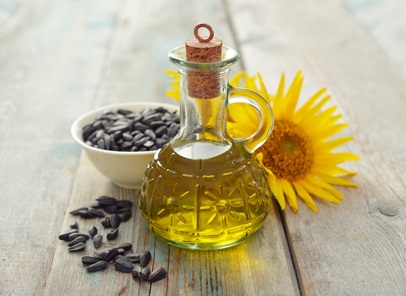
Sunflower oil is heat stable and makes a perfect, healthy alternative to traditional frying oils. In addition to high levels of vitamins A and D, sunflower oil has one of the highest vitamin E contents of any cooking oil. This oil contributes to improved cardiovascular health due to naturally high levels of linoleic and oleic acids, and also helps to protect skin.
- Sunflower oil can also be used at higher cooking temperatures so it makes a great oil for frying.
- Sunflower oil can be used for baking.
By adding these healthy cooking oils into your diet, anyone can reap the many significant health benefits they have to offer. Best of all, these oils are pure and natural, as opposed to the many other cooking oils which are processed with harsh chemicals or extracted from genetically modified crops.
One of the healthiest oil for cooking is coconut oil. Make sure to pick some up today!
