Lifestyle Weight Loss – Lose Weight Slowly and in a Healthy way to Keep it Off Forever!
If you lose weight slowly as part of a healthy lifestyle you will keep it off forever! According to the CDC, more than one-third (36.5%) of U.S. adults are obese. and it’s only on a trend to only get worse!
This needs to stop and we need to find ways to get our health back!
The only way to have any success with healthy weight loss is to have a plan.
Quick Glance List:
- Identify your “why” and write it on a piece of paper and keep it with you. We all have reasons why we want to make lifestyle changes and these reasons are what can keep us going when we struggle making healthy choices.
- Use a food journal for a few days.
- Avoid sugar in all food and drinks.
- Eat your greens!
- Avoid all low-fat foods they are filled with other additives that are not good for your health.
- Walk and do high- and low-intensity aerobic exercise.
Start on your way to a great weight loss plan by developing some all new good habits!
We all know that maintaining a healthy weight is important to having a healthy life. But just how do we get started?
Well – You Are Worth It! Let’s Start There!

First of all, you are so worth the effort and hard work it is going to take to get down to a healthy weight. You are worth a healthy body that will support you in all you will do for years and years to come.
We often focus on getting thin and more attractive for other people. Instead, do this for you, because you know deep down that you are worth it and you know you want to FEEL better!
It’s a much stronger motivator and no matter what happens with relationships along the way, your goal won’t change. There is no dieting here – only healthy weight loss tips to get you on your way to a healthy life.
Once you’re at a healthy weight, it’s very easy to maintain the healthy lifestyle. There is NO EASY way out … . It takes time and it takes dedication to get to where you want to be.
That’s the reason there’s such a huge market for diet pills and weight loss gimmicks. But the hard truth is that they just don’t work.
So find your reason to lose the weight and get healthy! Write it down and keep it with you.
Here is Where You Start to Make it Work for You!
It’s all about eating the right foods and moving your body. Try our 7 day low carb menu with dinner menu, recipes and shopping list.
Get More Energy!
There is just no other way to lose weight than to gain more energy. More energy gets you up from the couch and out the door for plenty of fresh air and exercise.
How do you get more energy? Eating healthy will start to give you more energy almost immediately. Once you’ve changed your diet and have more energy, start with small daily walks and build up from there.
You Must Ditch the Sugar!
Sugar is addictive and linked to obesity. Sugar is loaded with empty (useless) calories (energy) that your body stores for later days. Only, the later days never come and eventually all that built-up energy is turned into fat.
Pay attention to labels and cut sugar anywhere you can. Cook from scratch as often as possible and  choose non-sugary foods whenever possible.
Stop eating cereal or pop tarts for breakfast and scramble up some eggs instead. If you’re craving a little something sweet, pick some fruit instead of heading for the candy bowl. Frozen grapes make a yummy sweet treat. Or freeze some banana slices and either dip them in melted chocolate for a candy-bar like treat or blend them up with some milk for mock ice cream.
While sugar is not classed as a drug, its effects are similar to heroin. For this reason, sugar is just as addictive as illegal drugs but much easier to obtain and found EVERYWHERE.
Sugar hijack the same neural pathways as heroin and cocaine and leave you craving more and more. You can read more about Sugar Addiction right here.
Start a Food and Exercise Journal
One of the simplest, yet most effective tools we can use is a weight loss journey journal! Use it to record what you’re eating when, how much water you’re drinking and what exercises you’re doing in a given day. After just a few days, you will probably be surprised with what you find out.
You may also want to record how you’re feeling on any given day and what challenges you’ve encountered during the day. Just knowing that you’ll have to write it down is often enough motivation to keep you from overeating and to head out for a walk. Eat Clean for a Week. As far as diet goes, try eating clean for a week. Eat nothing but all natural foods. You want to cut out as much processed foods and sweets as possible. After a few days your body will start to react in ways that will amaze you. Read more about eating clean here …
Exercise
When it comes to exercise pick something that’s fun and that you’re comfortable with. Just about anyone can go out for a walk. Pick up a pedometer like a FitBit, lace up your walking shoes and go out there.
Set a daily stepping goal. You may want to start out walking 7,000 steps per day and then increase that number by another 1,000 steps every few weeks. Make a goal of moving at least 1 hour per day but remember you can break that down into 15 minute increments, too. 15 minutes in the morning right after you wake up – set your alarm clock early if you need to. Another 15 minutes before lunch, 15 more after lunch and 15 after dinner will have your daily requirements met easy peasy.
Craft Clear, Specific and Doable Goals
For any goal to be achievable it must first be clear and very specific. But, it also must be possible. You do want to challenge yourself a bit, and set the goal high, but you want to ensure that any goal you set is possible. Therefore, you will need to do a little research in order to set a goal.
For instance, let’s say your ultimate goal is to lose 50 pounds. Obviously, anyone who needs to lose 50 pounds and sets their mind to it can do so, but they can’t and shouldn’t do it in one month. So an unreasonable goal is “I want to lose 50 pounds in a month.” Instead, a more reasonable and doable goal is to state “I want to lose 50 pounds in 30 weeks.” This is in line with health recommendations not to lose more than 2 pounds per week, and gives you a little cushion for plateaus and other issues.
Each Goal Needs Set Actionable Tasks Additionally, any goal that you really want to meet needs to have the “why” and the “how” included with the “what” of the goal. In the example above you want to lose 50 pounds in 30 weeks, which will be a little less than 2 pounds per week.
You’ll need to look at your diet, compute the number of calories you should consume and the amount of exercise you need to see those results. Thankfully, today there are online calculators to help you determine this easily, but let’s say that you determine that if you consumed 1800 calories a day, and walked for 20 minutes each day, you would achieve your goal that you set within the time limit.
So, now you need to include planning your meals and fitting in the exercise necessary to reach your goal. But because of the research you did, you know exactly what is needed to be successful with the goal you set. You can see a clear path to success just by going further and adding these actionable tasks: * Eat 1800 calories a day * Walk fast for 20 Minutes per day Seeing that in black and white you can see that it’s very doable and achievable. But, there are a few more steps necessary to achieve your goals.
Schedule Everything Plan and Schedule! Do not leave anything to chance. Instead, schedule in the work necessary to reach your goals into a real calendar. Writing a list isn’t good enough – you need to schedule in everything so that you don’t miss a single day due to losing track of your schedule. You’ll need time to eat healthier, which requires more chopping and cooking, and you’ll need time to fit in the exercise, which is going to really take more than 20 minutes due to prep time and recovery time. You need to be realistic about how long each thing will take and schedule them into your day properly.
Plan all of your food for the week on Sunday. Prep your food and make what you can in advance. Give yourself the best possible chance for a healthy week. Plan, Prep, Prepare and Pack it up!
Lifestyle Change #1 – Eat Less Food & Drink More Water
Let’s start with the hardest habit to get into. It’s to eat less. It makes sense, doesn’t it? You eat less, you’ll start to lose weight. Or at least you’ll stop gaining pounds.
Over the past few decades our portions have gotten bigger and bigger. We’re bad about piling food on our large plates (yes, our plates have gotten bigger too) and then finishing it all no matter what. Instead, let’s get in the habit of eating a little less, eating a little slower and stopping when we start to get full.
Here are some simple little hacks to help us do that. Portion Control Our portions have gotten bigger and bigger. And we’re used to eating long past the point where we start to feel full. It’s time to retrain ourselves to get a feel for how much a serving of pasta, chicken, rice, corn, cereal or anything else on our plate should be. Start by reading up on portions and invest in an inexpensive set of measuring cups. You can even use your hand in a pinch. Here are some general guidelines:
- 1 cup = your fist
- 1 ounce = the meaty part of your thumb
- 1 tablespoon = your thumb, minus the meaty part
- 1 teaspoon = the tip of your index finger
- 1 inch = the middle section of your index finger
- 1-2 ounces of a food like nuts or pretzels = your cupped hand
- 3 ounces of meat, fish, or poultry = the palm of your hand
Measure your food for a few days until you have a feel for what you should be eating. Getting out a smaller plate or bowl will also help you dish out smaller portions. Using a smaller plate has been proven to substantially cut back on how much you eat. This is something you may want to try.
Once you have your plate, fill it up with leafy greens, vegetables and a little fruit first. Add a portion of meat and only then add the rest. The idea is that you’ll have less room for the stuff that’s bad for you.
Group Your Foods Correctly. Last but not least try to group your foods together so they don’t make your blood sugar spike. Blood sugar spikes are what make use crave even more food a little later. Don’t eat carbs and particularly sugary foods by themselves. Instead combine them with a protein or even a little healthy fat. It’ll keep your blood sugar levels more even and avoid insulin spikes. It also helps to eat a serving of leafy greens anytime you have a meal or snack. These low calorie veggies are good for you and will fill you up without adding a lot of calories.
Drink Plenty Of Water Last but not least make sure you drink plenty of water. Having a big glass of water with dinner will help fill you up quicker. But there’s more to it than just helping with portion control. We often confuse thirst and hunger (or those cravings). If in doubt, have some water and see if you were “just” thirsty. See more on Why water is so important on tips to drinking more water and also 10 quick ways to eat your water!
Lifestyle Change #2 – Eat Better
We already touched on this, but getting healthy is all about eating food that’s better for you. Skip the cookies, chips and donuts and fill up with food that nourishes your body.
Yes, it’s tough in the beginning, particularly because refined carbs and sugar are addictive compounds, but it will get easier. It’ll well be worth it when you start to have more energy, feel better and realize that real food actually tastes much better than the factory made stuff.
Less Carbs Eating less sugar will cut out quite a few carbs from your diet, but don’t just stop there. Cut back on white foods like bread, pasta, rice, potatoes and the likes. Reading labels and learning a little bit about nutrition is important here. IT’s amazing how often carbs are snuck into all sorts of foods we eat each day. Wheat has gotten a bad rep over the past few years and even if you aren’t gluten intolerant, it’s a good idea to cut as much wheat out of your diet as possible. Don’t forget about drinks either. Fruit juices and sodas are full of sugar (which is a carb) and let’s not even get stared with beer. Yes, the occasional treat is fine, but overall aim to eat less carbohydrates.
More Protein So what do you eat instead? Cutting down on carbs limits a whole bunch of food we typically eat. We’ll talk about vegetables in a minute, but first let’s talk about protein. It takes much longer to digest protein than it does carbs. Protein will keep you full longer. In other words, you won’t get hungry two hours after you eat. Protein is also great at mellowing out any potential insulin spikes carbs can cause. Try to eat at least a small portion of protein with each meal. There’s a reason why we need at least a little protein each day. It contains building blocks (amino acids) our bodies need to keep regenerating. Protein is found in meat but also in vegetables particularly legumes (think beans).
More Non-Starchy Veggies Sneak vegetables into almost everything you eat. This gives you a boost of extra fiber and antioxidants. Shred vegetables into omelettes, spaghetti sauce, casseroles, meatloaf and even sandwiches.
Healthy Fats Let’s talk about fat for a minute. Low fat didn’t work. We did it since the early 70s, cutting out each and every little bit of fat from our diet. And we’ve gotten fatter and fatter in the process. We need fat to keep running, keep our energy up and keep us full longer. But fat isn’t just fat. Skip the margarine and use some grass fed butter instead. Stock up on nuts, seeds and avocados. A word of caution. While some fat is good for us, it can also pack on calories that we may not need. Incorporate healthy fats into your diet daily, but be sure to pay attention to portion size when you do.
Lifestyle Change #3 – Move More
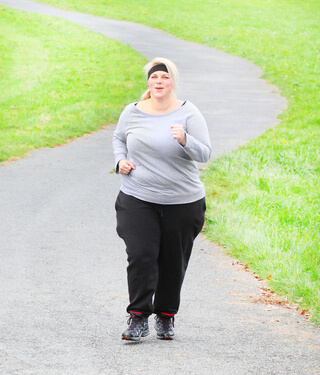 To stay healthy we have to move around more. Most of us have very sedentary lives. We sit at a desk and when we get home, we sit back down in front of the TV. But exercising is hard. We start the New Year with the best of intentions and even sign up for a gym membership. We do well for a week or two and then slip back into bad habits.
We make excuses why we can’t go exercise. So don’t think about it as exercising. Just tell yourself you are going to move around more. And it doesn’t have these long marathon sessions. Start with 15 minutes. Even 15 minutes more than you’re moving now helps and those 15 minutes will start to add up.
Take a little walk on your lunch break or after dinner. Dance around the living room with your kids or go play around at the park. Make it fun and keep it easy. Just remind yourself several times a day to move more.
Lifestyle Change #4 – Choose Your Passion
Find something that gets you moving without you even realizing you’re “exercising”. Have you ridden a bike in a while? It’s a lot of fun. Or sign up for some dance lessons. Think about anything active you’ve enjoyed in the past and rediscover your passion. And don’t be afraid to try something new. You never know what may be fun. Go out and try things like tennis, mini golf and pickle ball. Go walk on the beach and look for shells or go on a nature walk. Sign up for a kayaking tour or take up fishing. Plant a garden, go for a swim.
The sky is the limit. Find something you enjoy that gets you moving. If it gets you moving outside, that’s even better. Finding a passion also takes your mind off of your troubles. Many people eat mindlessly when frustrated or bored. Finding a passion can change your life and get you on track to better health.
Keep looking. And let’s not forget people. People make an experience even more fun. Join a walking group or get some friends together to play basketball at the local rec center. Or join a yoga class and see if you don’t make some new friends.
Lifestyle Change #5 – Get Support
Since we’re talking about people, let’s keep going and talk about support. Our support system is what will keep us going when we feel like giving up. They keep us motivated and push us to do even better.
Find a group of like-minded people, preferably with the same lifestyle change goals, to help keep you accountable. Surround yourself with people that support and encourage your weight loss journey. Ask them to hold you accountable and cheer you on. This support group can happen locally with loved ones and friends, but it can also be an online group. It’s even more powerful when you can find others who are working hard to lose pounds and get in shape. You can cheer each other on and help each other along your weight loss journey.
Find supporters who will encourage you to keep on moving even after you’ve eaten an entire box of doughnuts (the whole dozen). Let’s be real… it’s going to happen. We all slip up, make bad choices and fall back into bad habits. That’s why having a strong support system in place is so important. This can be people who eat what you eat, want to lose the same amount of weight you do, and go exercising with you. It can be, but it doesn’t have to be. They can also be loved ones, family and friends who are there to cheer you on and keep you accountable.
Don’t limit yourself to just local people. You can build an amazing team of supporters online as well. Join some groups and forums to connect with other people on a journey similar to yours. Find your tribe and communicate with them daily. Cheer each other on and call each other out when someone hasn’t check in or slipped up. It’s not easy getting healthy, but I hope this short report has given you some ideas to get started on the journey to a healthier and happier you.
Great CookBook Resource that We Recommend:
[easyazon_image align=”none” height=”500″ identifier=”1615191046″ locale=”US” src=”https://www.dinnerplanner.com/wp-content/uploads/2017/01/51rqcZg75EL.jpg” tag=”dinnerd06-20″ width=”388″]
