Keeping Lettuce Fresher Longer
Tips for keeping your lettuce longer –
By keeping your lettuce fresher just a little longer, you can not only save money but waste less food.
Are you suffocating your lettuce? Is your lettuce able to breath or is it slowly being suffocated into a wilted brown mess in an airtight plastic bag in the back of your refrigerator?
If you are like many of us, we were taught to keep the air out of our lettuce. Burp the container they said. The less air the better. Apparently that was all wrong.
Are you sick of wilted brown lettuce? Well we are too!
So here’s the skinny on the fresh lettuce.
- Cut the ends off of the lettuce using a sharp knife. Cut away any brown spots you see.
- Wash your lettuce in a sink (about 1/4) full of cold water. Drain, rinse and repeat. Kinda like washing your hair. Don’t fill the sink completely with water as that would waste water. About 1/4 full is fine. Repeat the washing but this time let the lettuce sit in very cold water for about 10 minutes.
- Give your lettuce greens a wild ride in a salad spinner! Removing most of the water from the outside leaves will help lessen the decay process of your lettuce. Lay the lettuce on paper towels and let dry just a little more before storage.
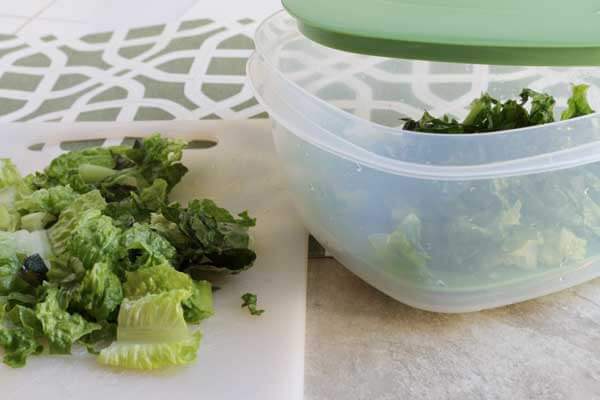
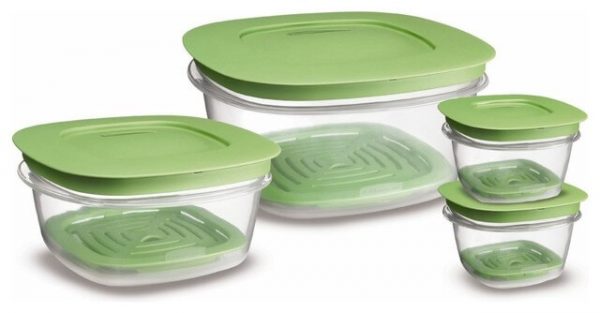
- Store lettuce in a container that is made for … storing lettuce!! Lettuce should be stored in a container that has holes in the lid to let in oxygen. Plants continue to breath even after being picked and stored and what we need here is the optimum amount of oxygen to keep the lettuce fresh. Not to much and not to little… Geez
Here are the containers that we use and we know that you’ll love them!

Fruit & Vegetable Tips:
Don’t Cry – but don’t buy prepacked lettuce unless absolutely necessary. Lettuce starts to lose nutrients the longer it sits in a warehouse or storage facility. When lettuce is sent off to be processed, then sits in a bag on a shelf, it starts to lose what we need the most – phytonutrients!! (We need those.)
Set Your Refrigerator Between 38-40 Degrees Fahrenheit: Cold temperatures are the best way to preserve fresh foods, but you want to make sure they don’t freeze. Keeping your fridge at this temperature will ensure that your organic foods are kept as cold and fresh as they can be without freezing over.
Wipe Down Fruits and Veggies Before Storage: Always wash and wipe fruits and vegetables before storing to prevent moisture build up. Fruits and vegetables naturally give off a gas, ethylene, when they ripen. Over time, this gas causes them to become riper a riper until they eventually spoil. When you add moisture into the mix, things like mildew and mold can grow on the fruits and veggies, making them dangerous to eat. Avoid this by wiping down the foods, storing them apart, and avoiding use of plastic bags, which can promote condensation.
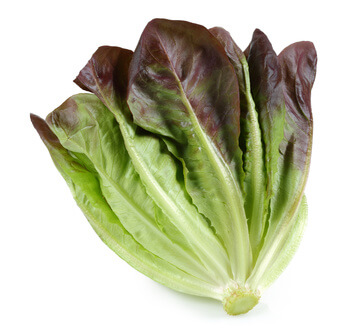
Next time you’re at the grocery store or Farmers Market, pick up some red leaf lettuce to give your dinner salad that extra boost of nutrients. The deep red and purple colors in lettuce indicates higher levels of phytonutrients which means much higher levels of antioxidants. Make your own quick salad dressing using fresh lemon and olive oil.
We do Love our Salads here At DinnerPlanner.com! Learn how to make a fresh and tasty basic tossed salad.