
The Importance Adding More Red Foods to Your Diet
Why We Need to Eat Our Reds!
Did you know that most of the problems in our bodies can be healed by proper nutrition?
Not nearly enough people are aware of the fact that the foods they consume will have a direct effect on the quality of their health. However, more and more evidence is being made known with regards to how beneficial it can be to consume red foods such as bell peppers, red onions, cherries, pomegranates, red cabbage, sweet potatoes, red beets, strawberries, watermelon, tomatoes, cranberries and red grapes.
We constantly hear about eating our leafy greens – but hey, what about our reds!
What’s in Red Foods that’s So Important?
Lycopene
This compound is found in most red fruits and vegetables and much research has been done on its properties and the overall health benefits that it can provide. Not only can lycopene help reduce the possibility of heart attacks and strokes occurring; this powerful compound can also help prevent damage from being done to the DNA found in white blood cells because it helps boost the body’s natural defenses against anti-oxidants as well. Lycopene has been shown to help reduce systolic blood pressure and prevent LDL cholesterol from being deposited in arteries as well.
The benefits of this compound don’t stop there though. It has been suggested that the lycopene found in many red foods may be of benefit to those suffering from infertility in that it has been shown to boost sperm count in men. It can also help prevent the onset of diabetes, while playing a role in preventing the onset of age-related macular degeneration and cataracts. Lycopene can help prevent skin from aging prematurely and it can help prevent sunburn as well. There is even evidence showing that it may have the ability to prevent the onset of osteoporosis.
Resveratrol
Another compound found in red foods that provides tremendous health benefits is resveratrol. A study done in Canada a few years ago indicated that resveratrol can provide similar benefits to the muscle and skeletal systems as that of endurance training. In addition, it can help you feel more energetic, which will in turn help enhance cardiac function. Consuming high amounts of red fruits and vegetables can help prevent the onset of cardiovascular disease and a French study has revealed that this powerful ingredient can help prevent the production of cancer cells.
Resveratrol has been shown to help improve blood flow to the brain as well, which means that consuming those grapes or red wine can help sharpen your cognitive skills tremendously. This nutrient helps protect the lining of artery walls, which in turn will prevent the occurrence of heart attacks and/or strokes.
Reduced Inflammation
Along with the above mentioned benefits, consuming red foods can help reduce the amount of inflammation that is present in the body, which could go a long way in helping to prevent the onset of other health conditions. Reducing the amount of inflammation in the body can help prevent the onset of various forms of arthritis and other joint-related conditions as well. Additionally, the potassium, Vitamin A, Vitamin C and Vitamin K that are found in many of these fruits and vegetables help build the immune system.
Well, there you have it – there has never been a better time to start incorporating red fruits and vegetables into your diet each day. Most health experts recommend that at least 3 to 5 servings of fruit and vegetables be consumed every day for optimal health, and ensuring that some of these are red will help keep you in good health for many years to come.

Add the Following Red and Nutritious Vegetables to your Diet:
Beets – Beets are high in fiber and vitamin C and potassium. Don’t forget to add the green leafy tops of your beets to your next salad! This is the most nutritious part of the beet and should not be thrown away.
Cherries – Cherries are a powerhouse of antioxidants. Cherries have also been known to promote better sleep. Find a good quality bottle of “tart cherry” juice at your grocery store and sip on this at bedtime.
Red Bell Pepper – Red Bell Peppers are extremely high in vitamin C and can easily be added to so many of our favorite dishes. Try adding diced red pepper to your salad or omelettes.
Tomatoes – Tomatoes are a great source of lycopene and cherry tomatoes have some of the highest levels of this compound. Another great source of lycopene is tomato paste. Tomato paste is just tomatoes that have been cooked down for hours to form a concentrated paste.

Strawberries – The mighty strawberry is loaded with vitamin C, fiber, antioxidants, and a whole lot more. This is such a popular fruit that events and festivals are planned around their coming into season.
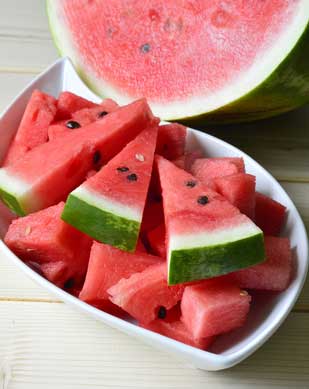
Watermelon – Watermelon is another food that is found to contain high levels of lycopene! Store the watermelon on your kitchen counter for a few days before cutting to get even higher levels of lycopene. For a juicy & delicious treat, try to find a watermelon with seeds! Our opinion is the seedless watermelons are a bit dry and tasteless.
Red Cabbage – Red Cabbage is high in vitamin A and vitamin C. Red cabbage is a cruciferous vegetable and important to our diet and health. Add raw red cabbage to your cole slaw or your wrap. Over cooking cabbage can cause it to lose some nutrients, so try to eat some raw.
Red Grapes – When we think of red grapes we tend to think of a glass of red wine and the health benefits that come from drinking a glass a day. But what about eating grapes? Grapes are filled with fiber and water; both help to reduce constipation. Grapes contain powerful antioxidants known as polyphenols which may help to slow down the growth of certain cancers. Always try to buy organic grapes whenever possible to reduce the amount of pesticides. Make a fresh salad using both strawberries and grapes! Add a little chicken and you have a complete meal.
Sweet Potatoes – We love sweet potatoes with all that vitamin A! Over 350% of vitamin A per cup! Read more on why we need to add more sweet potato to our diets.
